
Asbestos Air Monitoring
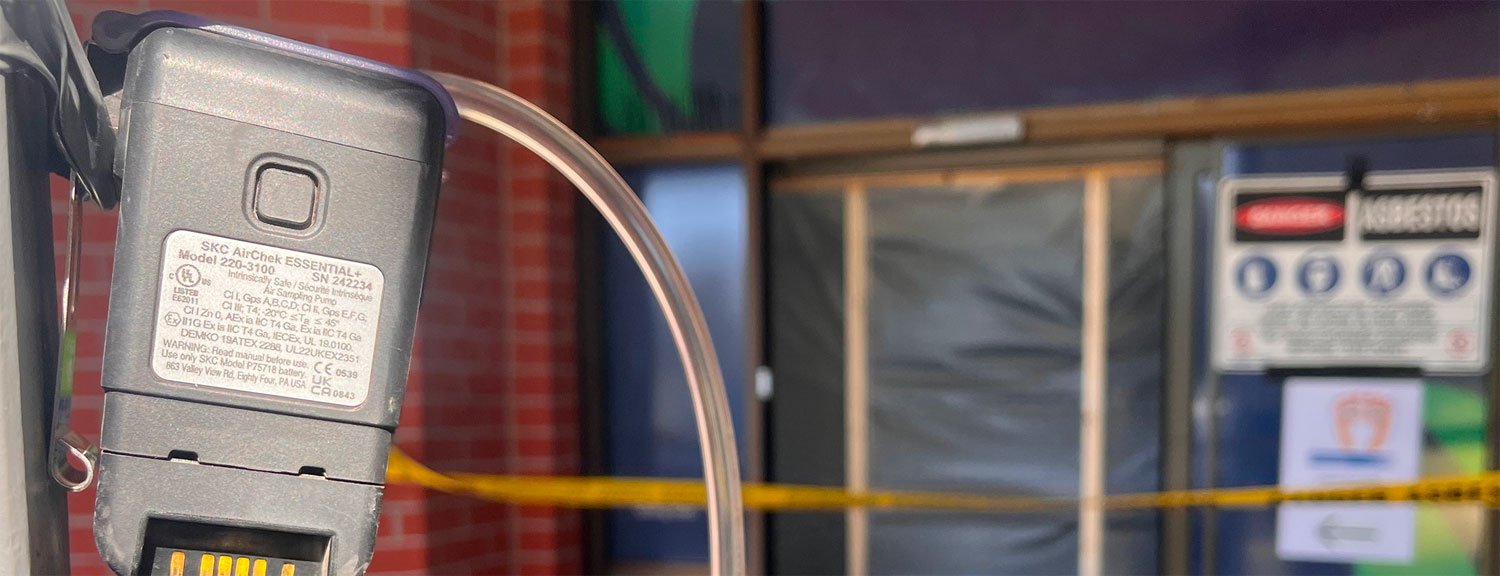
Confirming the Air Is Safe, Before and After Removal
Asbestos Air Monitoring – Licensed Assessors Across Regional Victoria
Asbestos air monitoring is the process of measuring airborne asbestos fibre concentrations before, during and after asbestos-related works. Our licensed Asbestos Assessors use calibrated air pumps and collection filters to gather samples, which are then analysed by a NATA-accredited laboratory. Results are compared against the regulatory limit of 0.01 fibres per millilitre to confirm whether the environment is safe.
Air monitoring is a core component of the post-removal asbestos clearance certificate process for Class A removals, and is also commonly requested during Division 6 pre-demolition works and sensitive removal projects in occupied buildings.
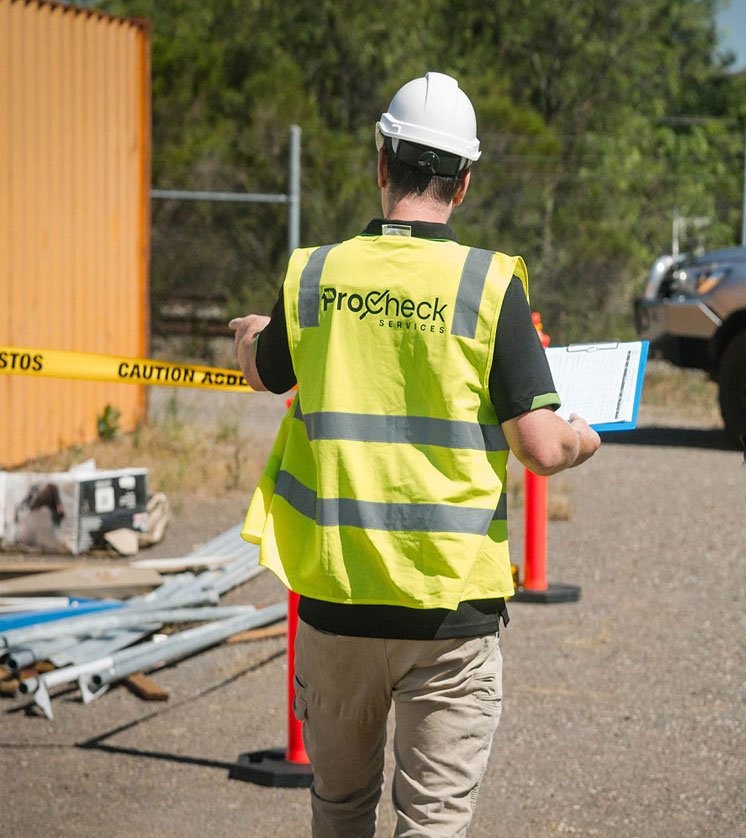
When Is Air Monitoring Required?
- Legally required for all Class A (friable) asbestos removal
- Strongly recommended for Class B works conducted indoors or in enclosed spaces
- Where disturbance to areas beyond the work zone is possible
- In sensitive environments such as hospitals, schools or aged care facilities
- When insurers, principal contractors or building owners require independent verification
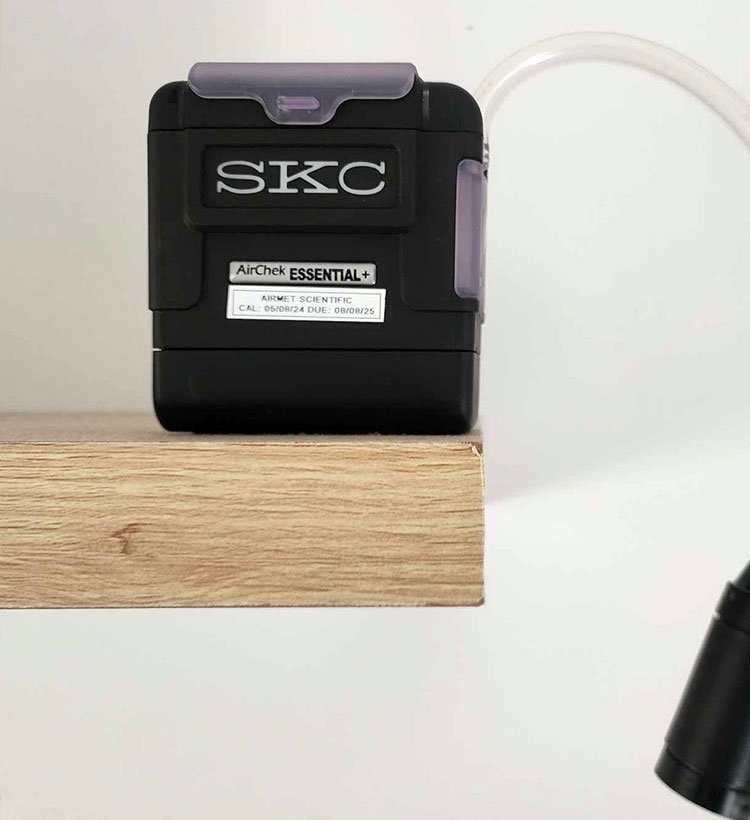
The Four Types of Air Monitoring We Provide
- Background Monitoring – establishes normal fibre levels before any works begin
- Control Monitoring – detects fibres escaping the removal area during works
- Clearance Monitoring – confirms the area is safe for reoccupation, forming part of the clearance certificate process
- Personal Exposure Monitoring – measures individual worker fibre exposure during removal activities
Types of Air Monitoring We Provide
Under NOHSC:3003 (2005), four distinct types of asbestos air monitoring are recognised. ProCheck Services provides all four, depending on the nature of your project:
| Type of Monitoring | Purpose | When It’s Used |
|---|---|---|
| Background Monitoring | To establish the normal airborne fibre levels prior to asbestos work | Conducted before any asbestos removal or disturbance to determine baseline air quality |
| Control Monitoring | To detect asbestos fibres that may escape the removal area or enclosure | During friable (Class A) removal where negative pressure enclosures are used, and during non-friable (Class B) removal at site boundaries or adjacent areas to confirm fibres are not escaping the work zone |
| Clearance Monitoring | To confirm the area is safe for reoccupation following asbestos removal | After final visual inspection and cleaning of the work area (particularly for Class A removal), prior to re-entry, reoccupation, or demolition |
| Personal Exposure Monitoring | To measure the airborne asbestos fibre exposure of individual workers | During asbestos removal activities, especially in high-risk environments or where required by the employer |
Compliance Standards We Work To
- NOHSC:3003 (2005) – Guidance Note on the Membrane Filter Method for Estimating Airborne Asbestos Fibres
- Occupational Health and Safety Regulations 2017 (VIC)
- Work Health and Safety Regulation 2017 (NSW)
- Code of Practice: How to Safely Remove Asbestos
Part of a Broader Compliance Picture
- Air monitoring typically forms one component of a broader asbestos compliance program. Whether your project also requires a Division 5 audit, an asbestos management plan or a full hazardous materials audit, ProCheck can coordinate all of these services for your site. Contact us for a no-obligation quote.
Why Choose ProCheck Services?
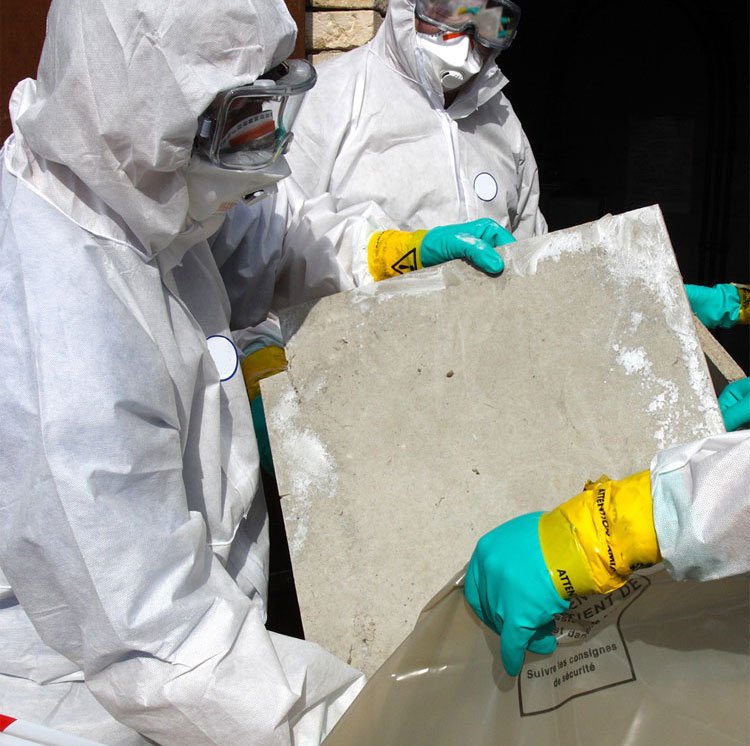
- Licensed Asbestos Assessors
- NATA-Accredited Laboratory Analysis
- Fast Turnaround of Results
- Detailed Reporting with Compliance Documentation
- Servicing Regional Victoria & Melbourne, call now.